 Available only in Brazil
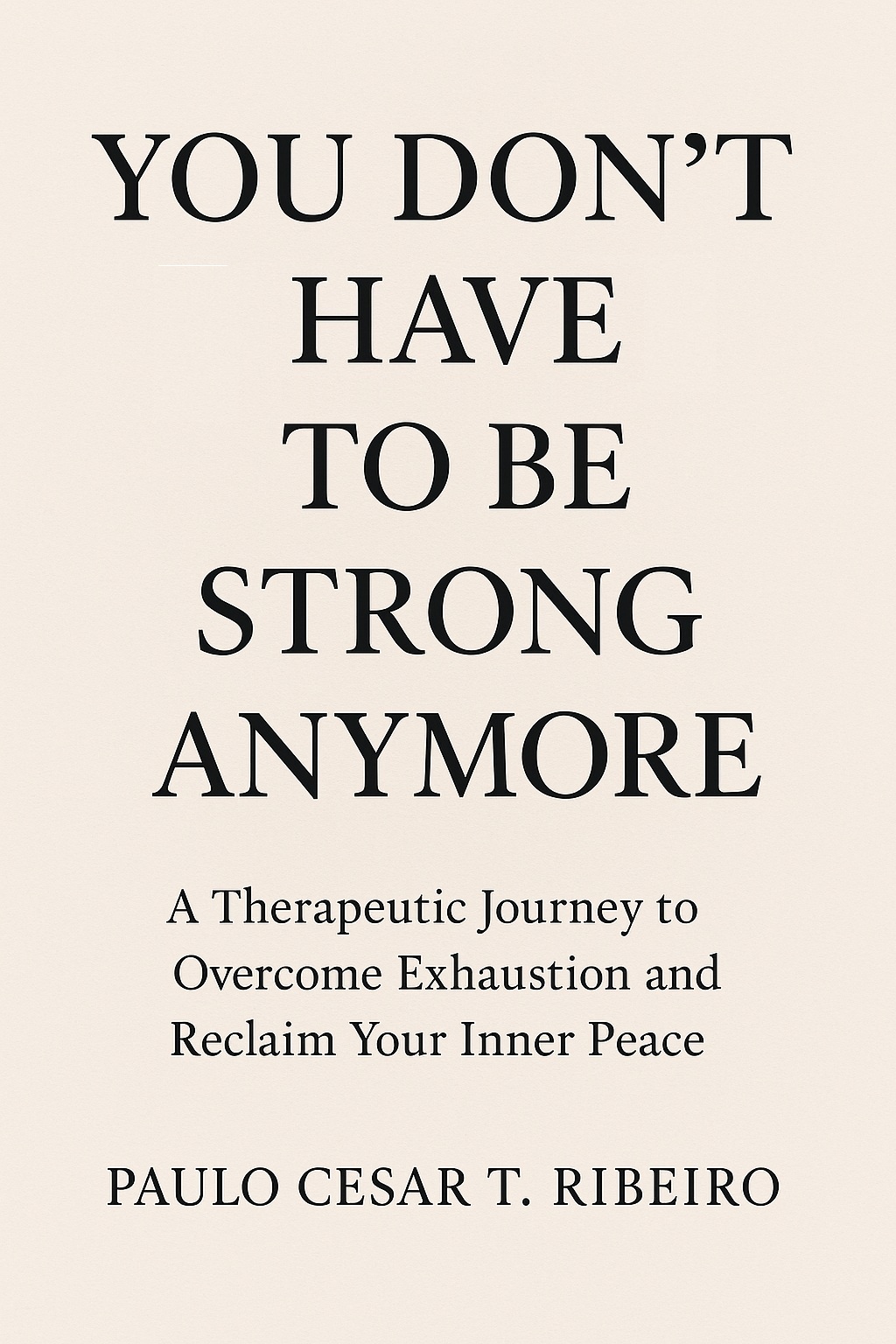
You Don’t Have to Be Strong Anymore – A Therapeutic Journey to Overcome Exhaustion and Reclaim Your Inner Peace
Emotional Exhaustion, Vulnerability, and the Right to Rest
Versão em inglês do livro A Mulher Que Não Pode Ser Fraca – O Valor de Ser Quem Se É
Some people spend so much of their lives trying to stay strong that they no longer know how to exist without carrying everything alone. They learn to suppress pain, care for everyone around them, hide vulnerability, and keep functioning no matter how emotionally exhausted they become. Over time, many of them become highly capable. But deeply tired inside. It is precisely within this emotional territory that You Don’t Have to Be Strong Anymore unfolds.
More than a book about emotional suffering, this work offers a deeply human reflection on the psychological cost of constantly holding everything together while feeling there is no safe space for vulnerability, emotional rest, or genuine care.
Throughout the book, Paulo Cesar T. Ribeiro guides readers through sensitive and emotionally honest reflections on emotional exhaustion, self-pressure, fear of vulnerability, relationships, loneliness, emotional validation, and the gradual rebuilding of self-worth.
Strength, in this book, is not portrayed as a simple virtue. It is also shown as a survival strategy developed by people who learned early in life that showing sadness, emotional need, or fragility could lead to rejection, disappointment, or abandonment.
Written in a warm, accessible, and emotionally engaging voice, You Don’t Have to Be Strong Anymore bridges psychotherapy, emotional development, and human relationships in a way that feels deeply personal while remaining universally relatable. Throughout the book, readers will find reflections on:
• emotional exhaustion and chronic overfunctioning
• fear of vulnerability
• difficulty asking for help
• emotionally unbalanced relationships
• loneliness and the need for emotional safety
• self-criticism and perfectionism
• relational trauma and emotional control
• rebuilding self-worth and emotional identity
• psychotherapy as a path toward inner healing
• emotional maturity and self-compassion
But this is not a book built around motivational clichés or simplistic promises of healing. At its core, this work seeks to understand why so many people turn emotional endurance into a permanent way of life — even when it quietly leads to exhaustion, emotional isolation, and disconnection from themselves.
As readers move through the pages, they begin to recognize how many individuals unconsciously believe their worth depends on how much they can endure without needing help from anyone.
The book shows that emotional strength is often born not from security, but from the absence of emotional safety. Some people do not know how to rest emotionally because they spent years believing that slowing down would disappoint others, make them less valuable, or cause them to lose control.
By integrating psychotherapy, emotional awareness, and existential reflection, You Don’t Have to Be Strong Anymore also presents therapy itself in a deeply human way. Therapy is not portrayed as a place where people are “fixed,” but as a space where they slowly reconnect with vulnerable parts of themselves and rediscover the possibility of emotional care and inner stability.
At many moments, the book feels less like a clinical guide and more like an intimate and compassionate conversation — one that invites readers not only to understand emotional patterns, but to finally recognize the exhausted parts of themselves they may have ignored for years. Because some emotional pain does not appear through dramatic breakdowns.
Sometimes it appears: in the inability to rest, in the constant need for control, in the guilt of needing help, or in the exhausting effort of maintaining an image of strength all the time.
This is not a book about weakness. It is a book about being human. A work written for readers seeking deeper emotional understanding, healthier self-connection, and a more compassionate relationship with themselves.
More than offering answers, You Don’t Have to Be Strong Anymore offers space for reflection, emotional healing, and inner reconnection. Because, in the end, true strength may not come from carrying everything alone — but from finally allowing yourself to exist without the unbearable weight of having to be strong all the time.
B. Alves –
►This book – You Don’t Have to Be Strong Anymore – is a deeply compassionate and emotionally honest book. With sensitive writing and accessible English, it speaks about exhaustion, vulnerability and the human need for emotional connection in a way that feels both comforting and profoundly real. (Este livro — You Don’t Have to Be Strong Anymore — é profundamente compassivo e emocionalmente honesto. Com uma escrita sensível e linguagem acessível, aborda temas como exaustão, vulnerabilidade e a necessidade humana de conexão emocional de uma forma que transmite conforto e, ao mesmo tempo, uma profunda autenticidade.